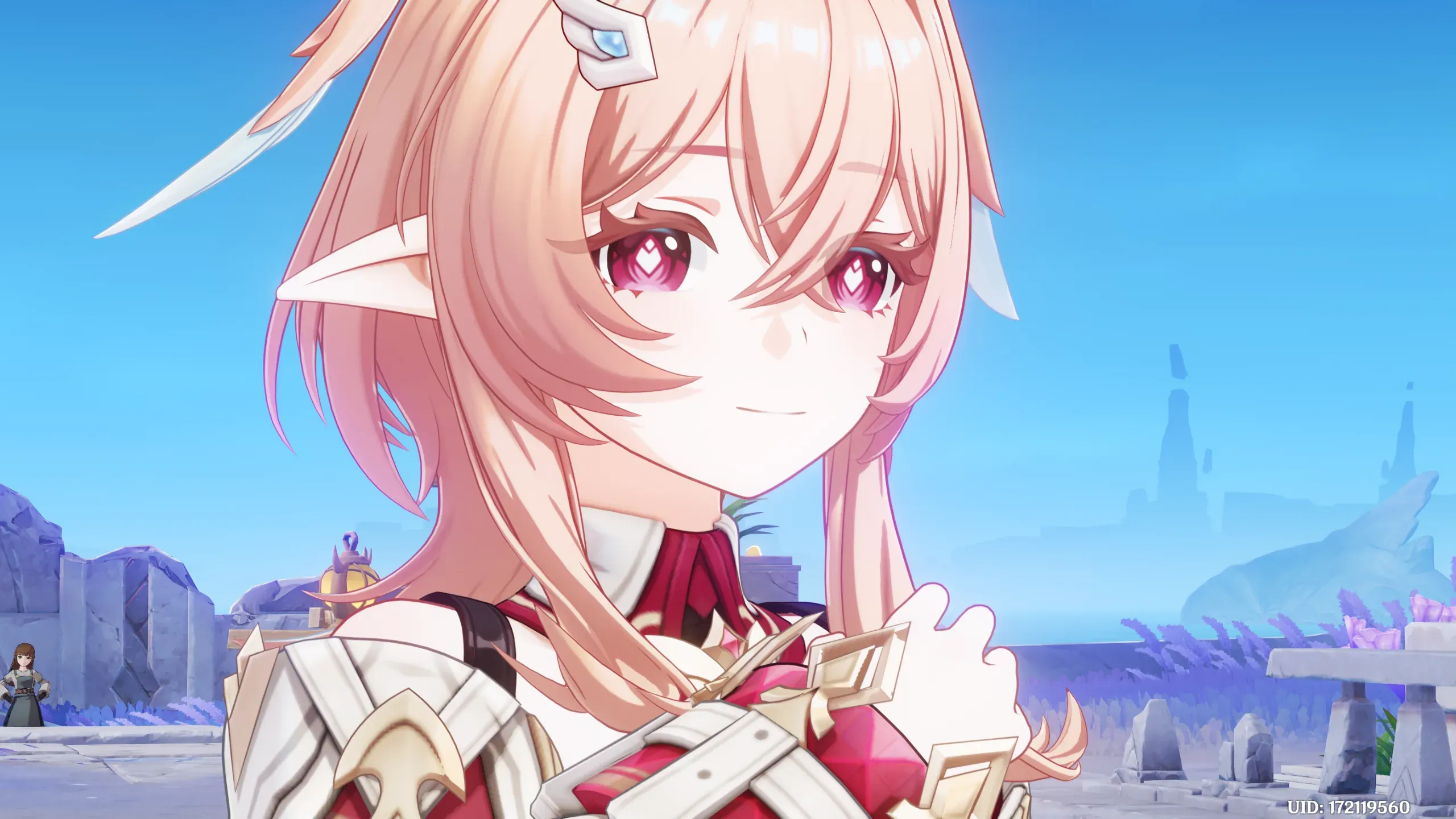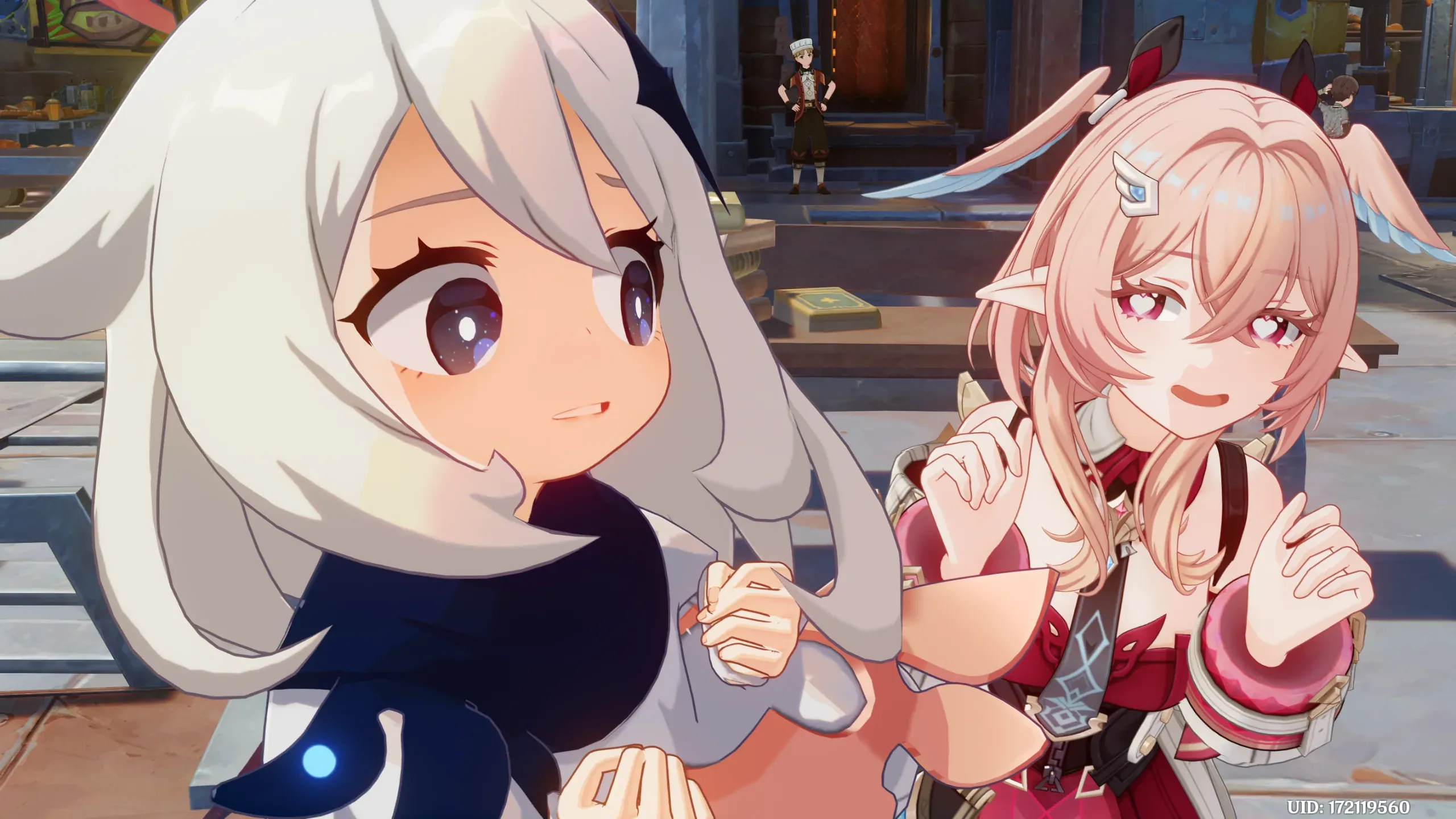
What hurt me most was that nothing unexpected happened at the end. Fate remained unmovable. Every struggle became a tear that could neither fall nor be swallowed.
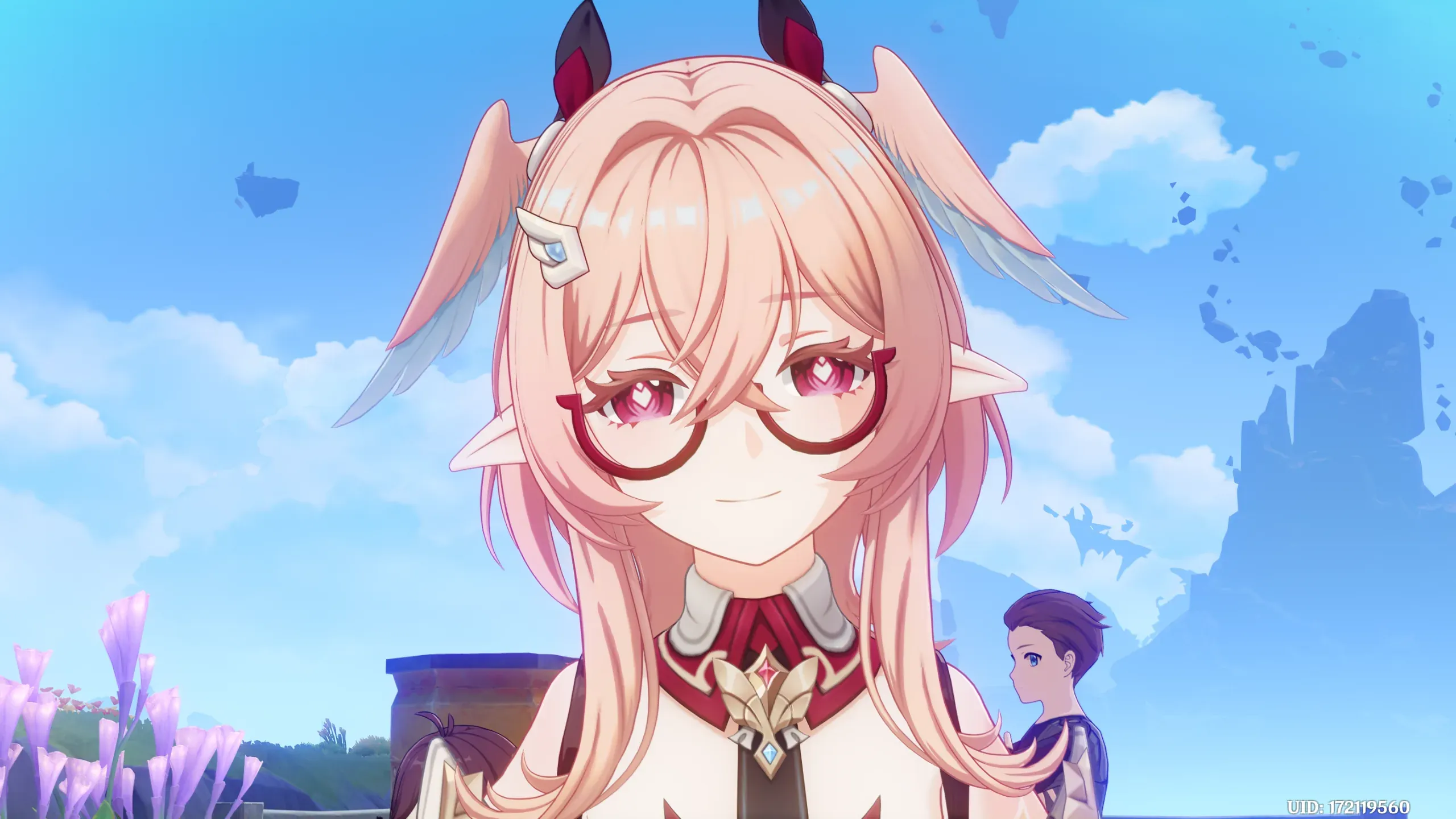
Alcyon Chapter is Linnea’s Story Quest. A pair of wings grows from her head, proof that she is not human. She is a changeling: a child of the tundra fairies, secretly exchanged at birth and raised by a human family. She has always been different from the friends around her—sensitive, uneasy, afraid of being discovered. As the signs of her fairy nature grow harder to hide, she finally tells her adoptive parents the truth. Then, on the day of the final, she falls into a dreamlike prophecy of the future.
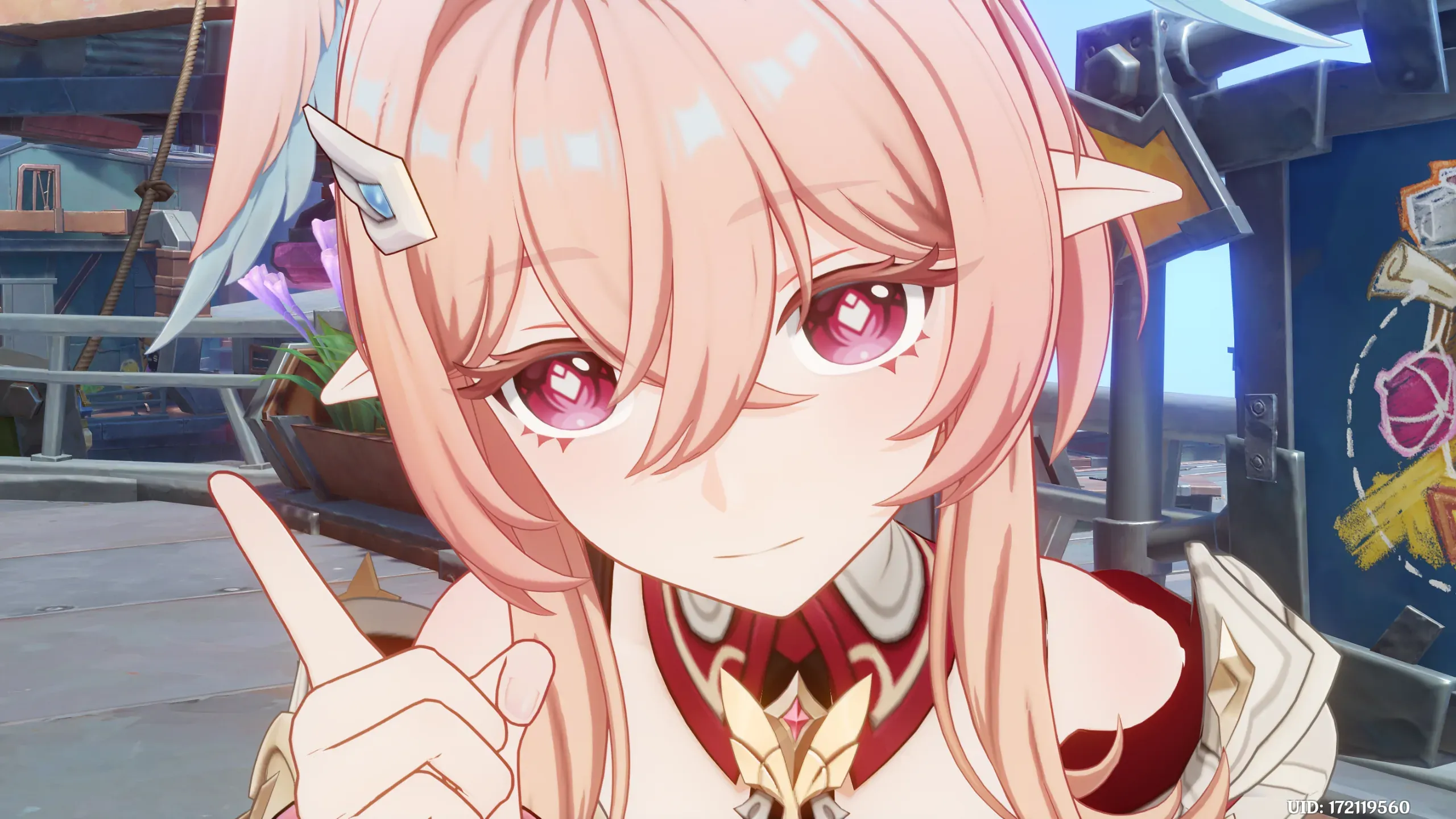
Her parents decide to travel north in search of their own blood relatives. Linnea still defends them: “They really are good people. They raised me all these years, and they even left me some money for emergencies.”
But she says it too lightly.
As though she were telling somebody else’s story.
The weight beneath her voice—the coldness of it—cannot quite be hidden.
“Go, child of the fairies.”
“Go to the villages and cities, and walk hand in hand with your human friends.”
“…The world of fairies is laden with sorrows you do not yet understand.”
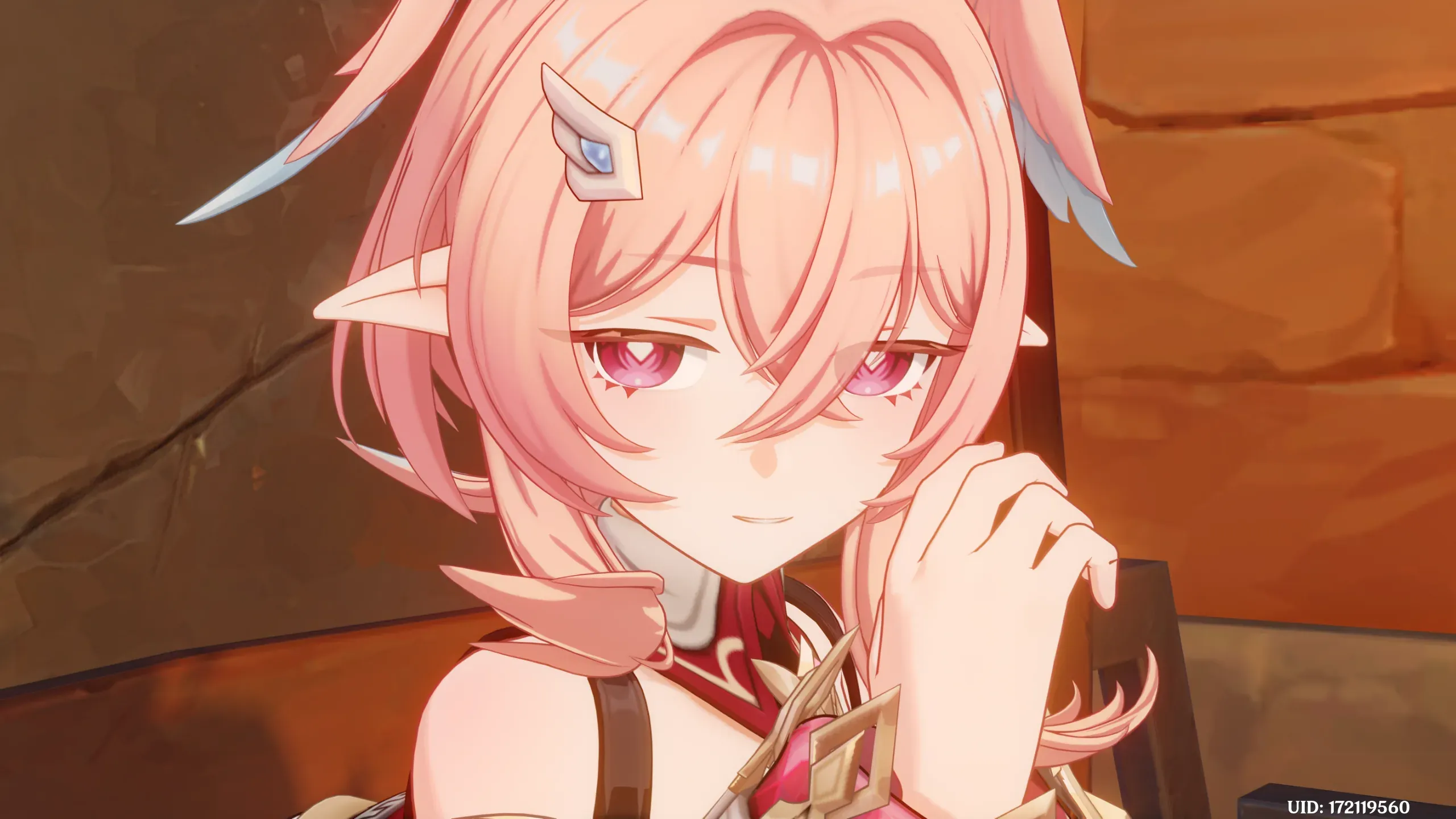
Beneath this “fated prophecy,” Linnea finally opens her heart to us. How could she have been cheerful and brave all through childhood? Before she confessed, there were many nights when she could not sleep. Of course she hoped her parents would say, “Linnea, even if you are not our child, we still love you.” But she also knew that such an answer was impossible. They had a child of their own. Somewhere, she had birth parents of her own. A lie could not hold forever.
She told them anyway. She told them while terrified that she might become a child no one wanted. And soon afterward her human parents did leave, leaving her to make a new family with the other parentless children of the Conch Gang.
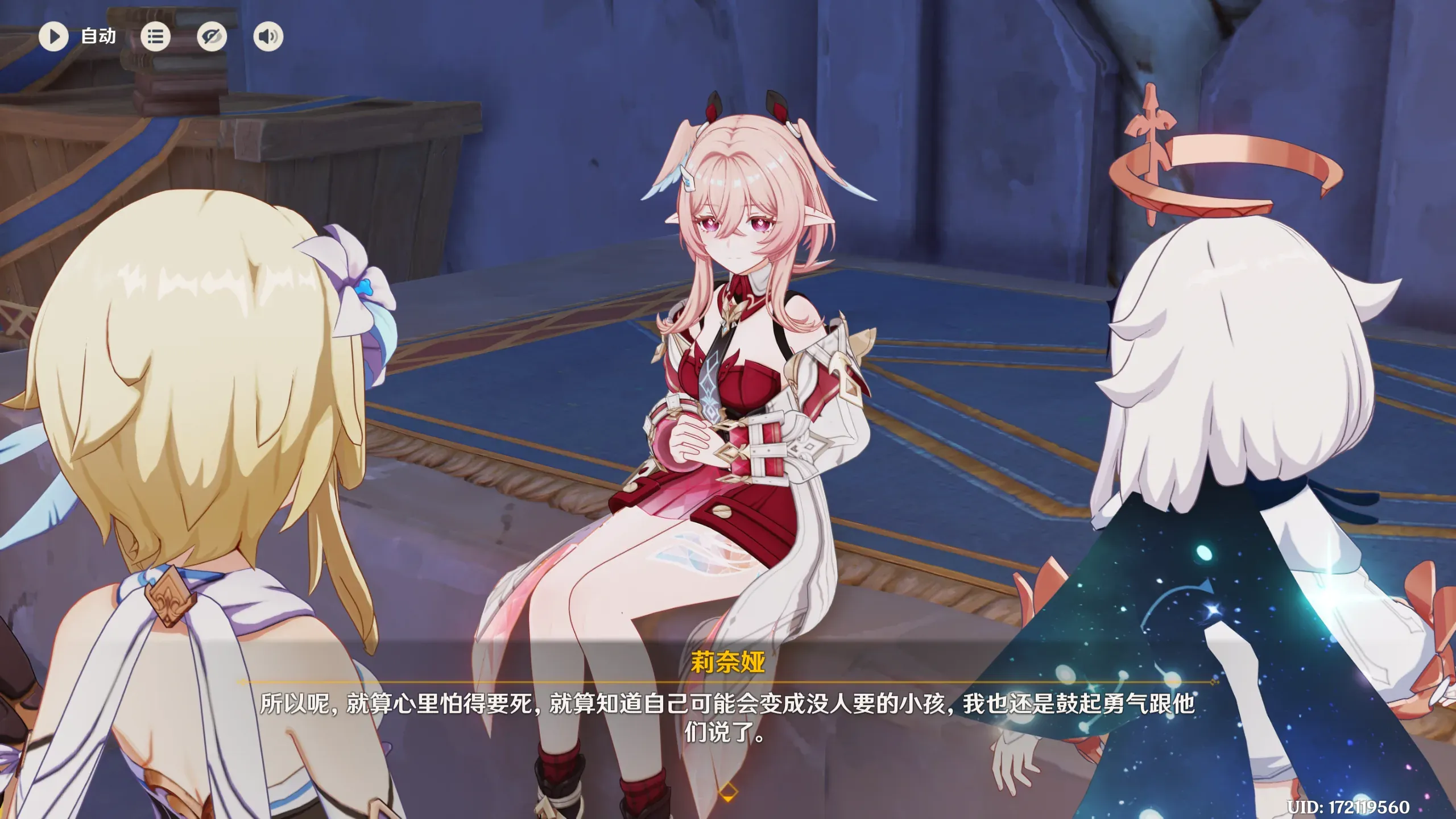
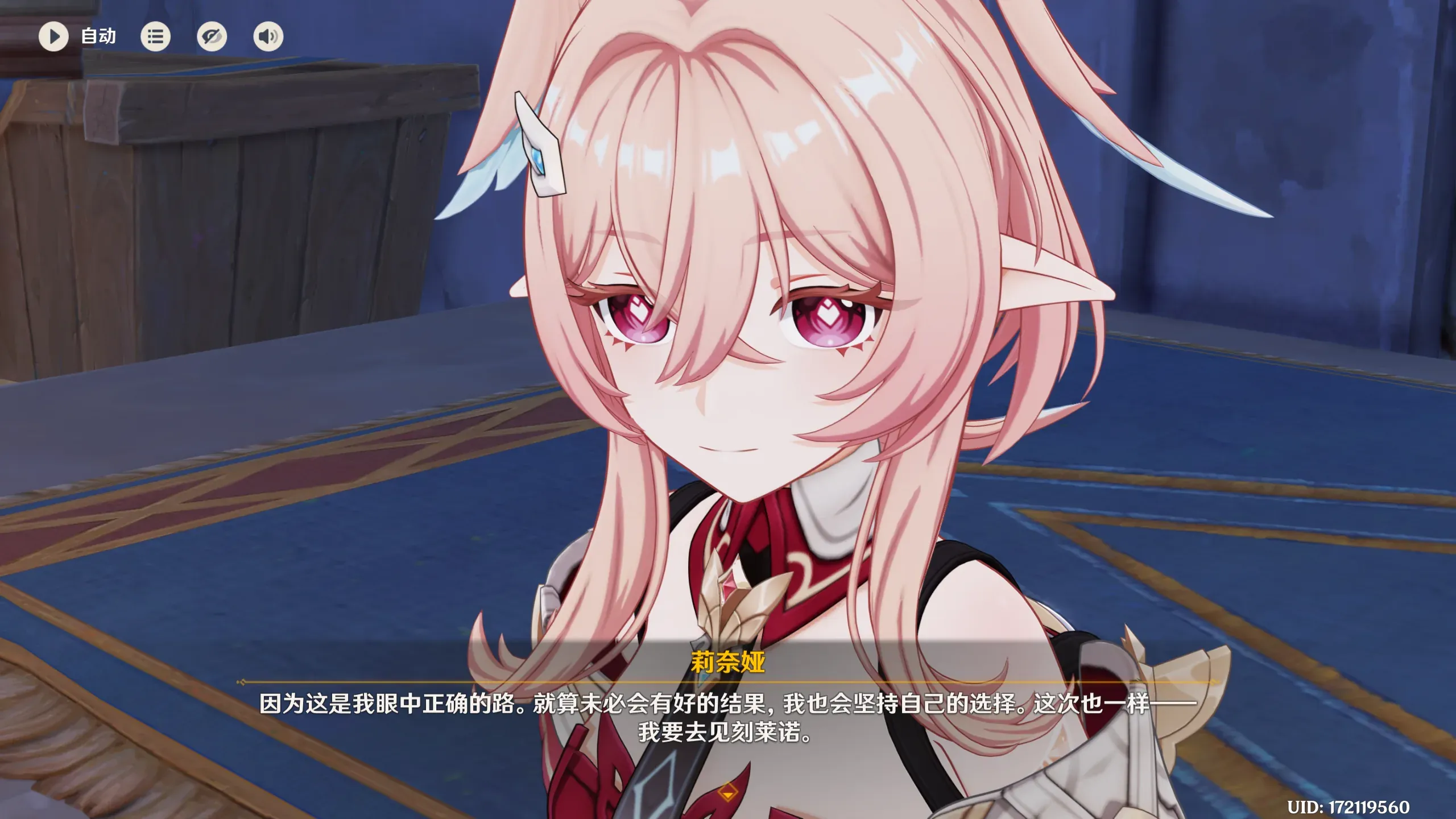
Abandoned child, you are strong—perhaps too strong.
I know you will set out along the road you believe is right. Even if it promises no happy ending, you will remain faithful to your choice.
I think that is why I cried twice during this part.
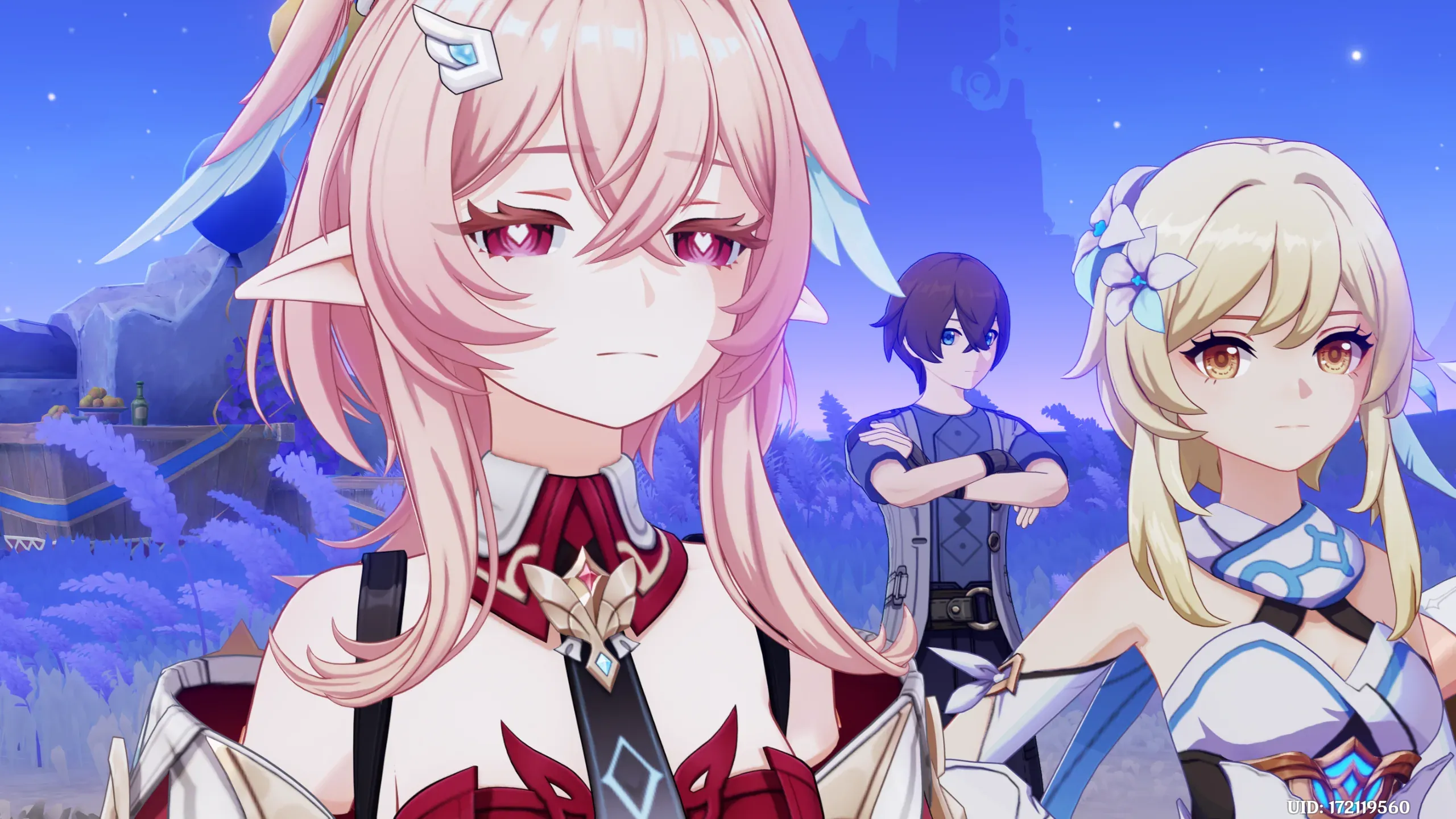
While I watched, something stayed clenched inside me: grief mixed with helplessness and uncertainty. The prophecy replayed one image after another. I watched Linnea move from curiosity about the dream, to a glimpse of everything she longed for, to the despair of watching those hopes collapse, and finally to terror as her appointed death drew near.
I was afraid too.
What would I do if I knew the major turning points of my future? What could I do? Yet isn’t reality already partly known? Isn’t that another way of saying fate is fixed? The city where I live, the subject I study, the shape of my days—will the broad outline really be so different in ten years? Details will change, of course. But how can I pretend not to know where the larger road ends?
I know I will die. More than that: every next second in which I remain alive is already a small miracle. I know how fragile and precious life is, and still I choose not to look. I close my eyes and live only through today.
That frightens me.
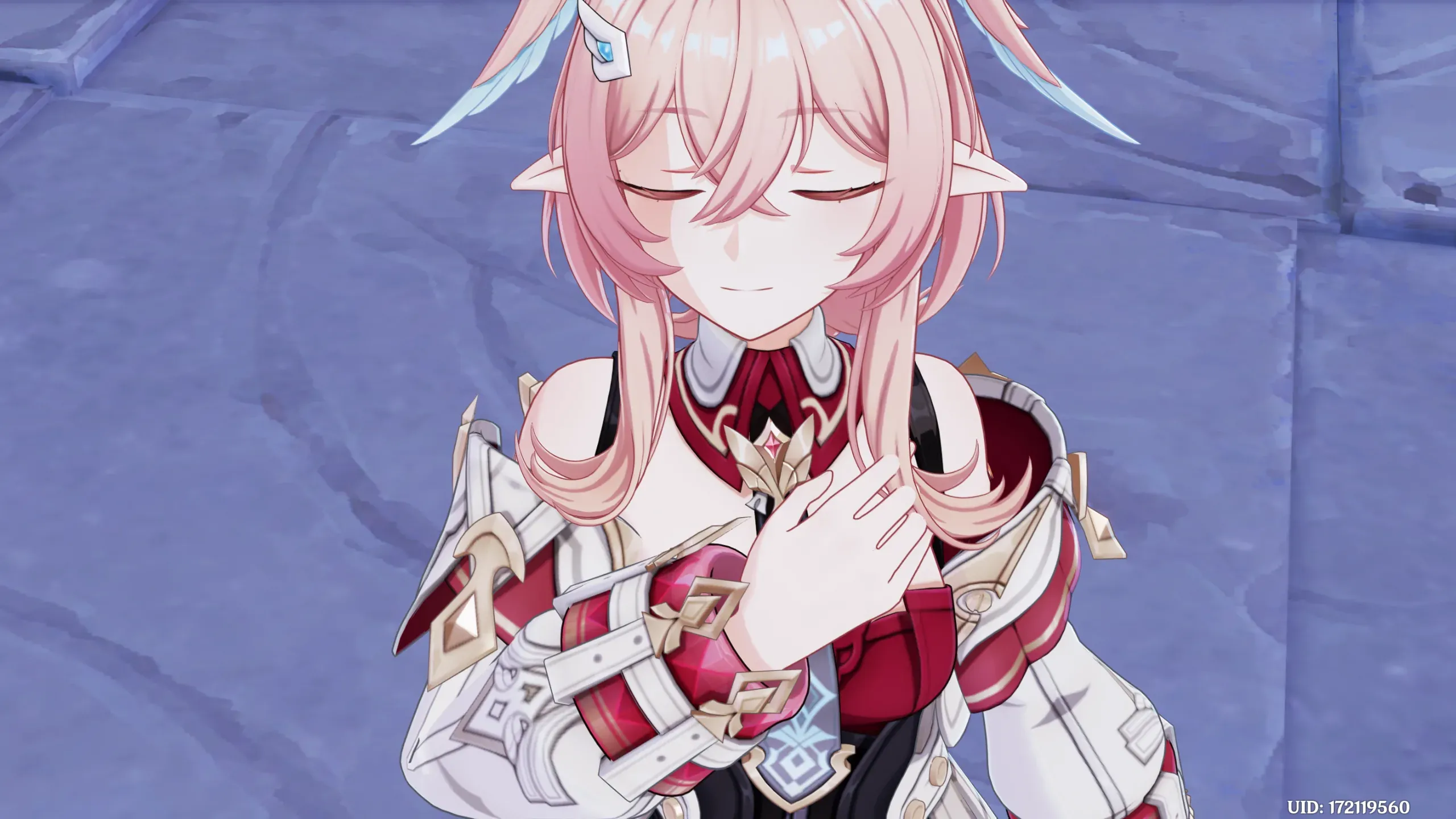
I am afraid of what I am: a conscious, intelligent life—or merely a conscious arrangement of atoms that may come apart at any moment. I am afraid of the answer, and afraid of living. That is why I almost could not bear to watch how Linnea would live after learning the exact shape of her prophecy.
I was afraid she would be so bright.
And I would look so dim beside her.
The sisters eventually recognise each other and speak heart to heart. It looks like a happy ending. I only found it painful. Once again, Linnea swallows her fear and forces herself to be cheerful, positive, the person who gives everyone else hope. She chooses to live well.
The answer the story gives to a fully knowable life is, to me, a kind of evasion. “There are plenty of other things in life to worry about” simply packs the question of fixed fate into a larger box and carries it away. Is the ending really ours to make? Or does thinking about fate have no value, while doing what we want today does? In the past, Linnea lived with uncertainty about her identity. Now she merely has one more known sorrow. The world remains the world; I remain myself. What is there to fear?
But isn’t that also a way of looking away?
“Rest well, and then let us face our fate.” I cannot quite accept Linnea’s sentence, or the answer the writers offer through it. Is fate something we can only face? Is this merely the destiny of Teyvat’s native people beneath its false sky? As the Traveler, aren’t we a disturbance in fate—an exception to it? Must we still stand by and watch Linnea meet hers in pain and powerlessness?
I cannot accept that.
I searched through every character description I could find. Linnea never escapes her fate. Yet the quest leaves a line that feels like a promise: as a Descender, the Traveler has never felt a destiny being anchored. The rules of the world, fate included, may have reasons to exist—but we have also met too many people who wanted to resist them. Is anchoring fate truly the best answer? And if one day the Traveler…
HoYoverse, I hope you really are planting a seed for later.
Outside the game, however, we are not Descenders. We have no protagonist’s protection. We breathe and struggle inside whatever life has already prepared for us. Is there truly nothing we can do? Is Linnea right—not that there are many roads but only one destination, but that there is one destination and many roads?
I don’t know.
Perhaps Lumi came close to breaking fate because Linnea believed in her, and that almost is proof that fate was never perfectly sealed. Perhaps what matters more is how we inhabit the present and treasure each day.
But how is that not another escape from life?
Perhaps it is. Still, I lived today with my eyes open.
For now, perhaps that is enough.